Reflections on identity, burnout, financial freedom — and the horror stories that taught me resilience
Recently, I was at a casual get‑together when a friend asked me an interesting question: “You’re an oncologist — you help patients every day. Why real estate? Is that the right thing to do with your time?”
At first, I thought it was an odd question. Medicine — especially oncology — is my calling. I’ve dedicated more of my life to this field than most people realize: months of nights and weekends studying, more than 14 years of training, endless board exams, research, presentations, administrative work — much of it not reimbursed, much of it invisible.
But when my friend asked that question, I realized something deeper was driving it for me.
Medicine Has My Heart — But It Also Has Limits
From residency to practice, we pour ourselves into our work. Not just the clinical hours, but the extra: phone calls after hours, reviewing charts, research, meetings, bureaucracy. None of that shows up on a paycheck and very little of it is acknowledged.
One lesson I learned early is simple but powerful:
Never love the hospital — it won’t love you back.
An employer may value your dedication, but when priorities shift, politics creep in, or bureaucracy takes over, that dream job can quickly become a place you no longer recognize — or want to be.
That’s when I started thinking more seriously about not being 100% dependent on anyone — not on a hospital, not on a paycheck, not on a job title. That’s where real estate came into my life.
Real Estate Wasn’t a Cop‑Out — It Was a Strategic Choice
I’ve always been someone who prepares, plans, and overprepares. Medicine taught me that. So when I looked at real estate, it wasn’t a hobby — it was part of a strategy:
- To build multiple streams of income
- To create financial freedom
- To protect my family
- To reduce burnout and increase flexibility
- To open up the possibility of stepping back — without fear
That decision meant that my wife and I could actually walk away for a year — live semi‑retired — without guilt or anxiety. We knew we could come back stronger because we weren’t chained to a single income stream.
Yes — real estate helped us reach financial milestones far earlier than we could have by medicine alone.
But the journey wasn’t all smooth sailing.
Real Estate Horror Stories (That Became Lessons)
1) The Tenant From Hell
We bought a long‑term rental property, renovated it, and found what seemed like a great tenant — a mom and daughter. They even gave us a bag of cash for the deposit — looking back.. yes I know.. a huge red flag. Thank you.
Six months in, they stopped paying rent.
What followed was a crash course in eviction law. They knew how to play the system, and it took months to get them out.
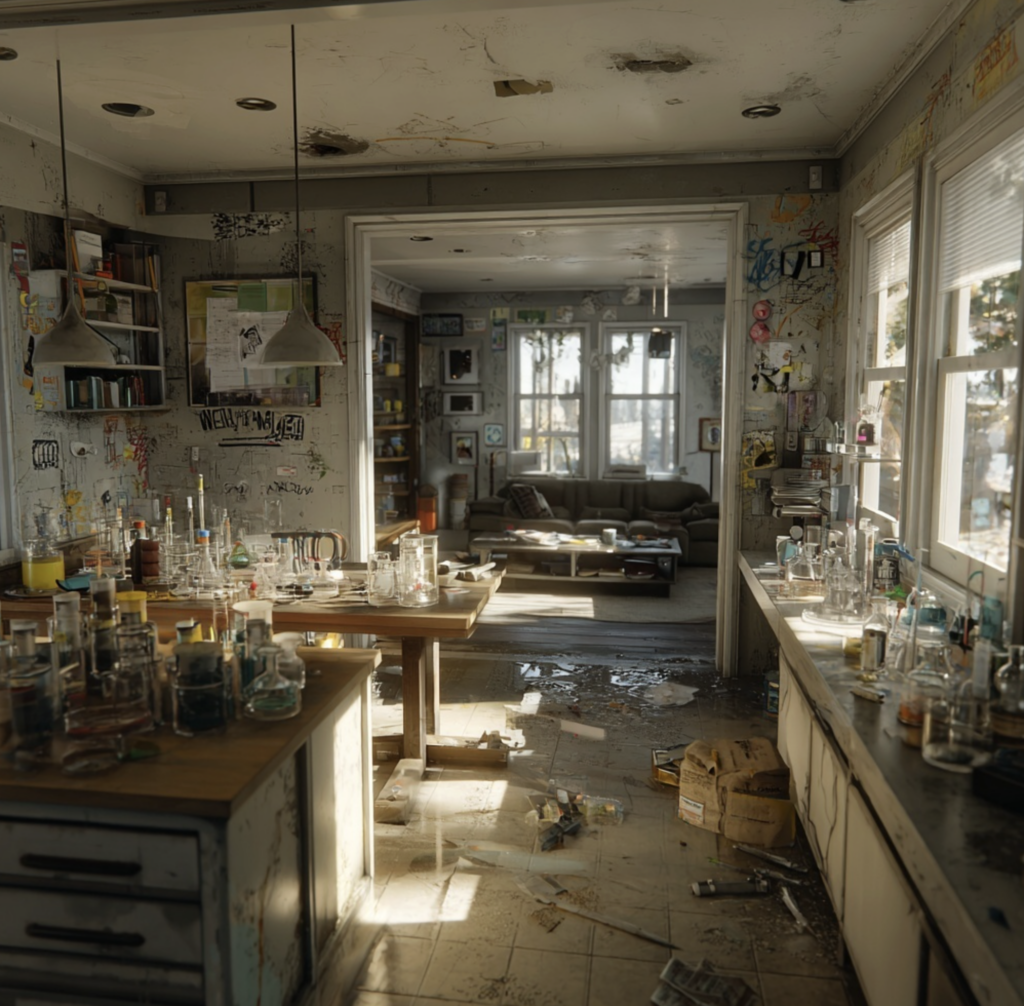
On the day they were finally evicted, they ripped out brand‑new appliances, tore out water pipes, and flooded the house — completely destroying what we had just rehabbed.
Lesson: Proper tenant screening isn’t optional.
Verifiable income, employment checks, background checks, references — no exceptions.
Thankfully, we planned ahead:
- Larger security deposit
- Good insurance coverage
- Property appreciation
In the end, we recovered everything — and plus more — but it was a harsh way to learn the value of diligence.
2) The Short‑Term Rental That Backfired
We ventured into short‑term rentals because it offered significant tax benefits (especially for W‑2 income earners via short rental loophole or REPS), and we found a beautiful home that didn’t even need renovation.
In Orange County, you can’t legally short term rent an unoccupied house without a license. But we listed it anyway as a short‑term rental “ask forgiveness, not permission” strategy. At first, it paid well — but then the neighbors started complaining rightfully so. Block parties, loud guests, noise complaints. We’re physicians, not property managers! We were instructed to show up in court!
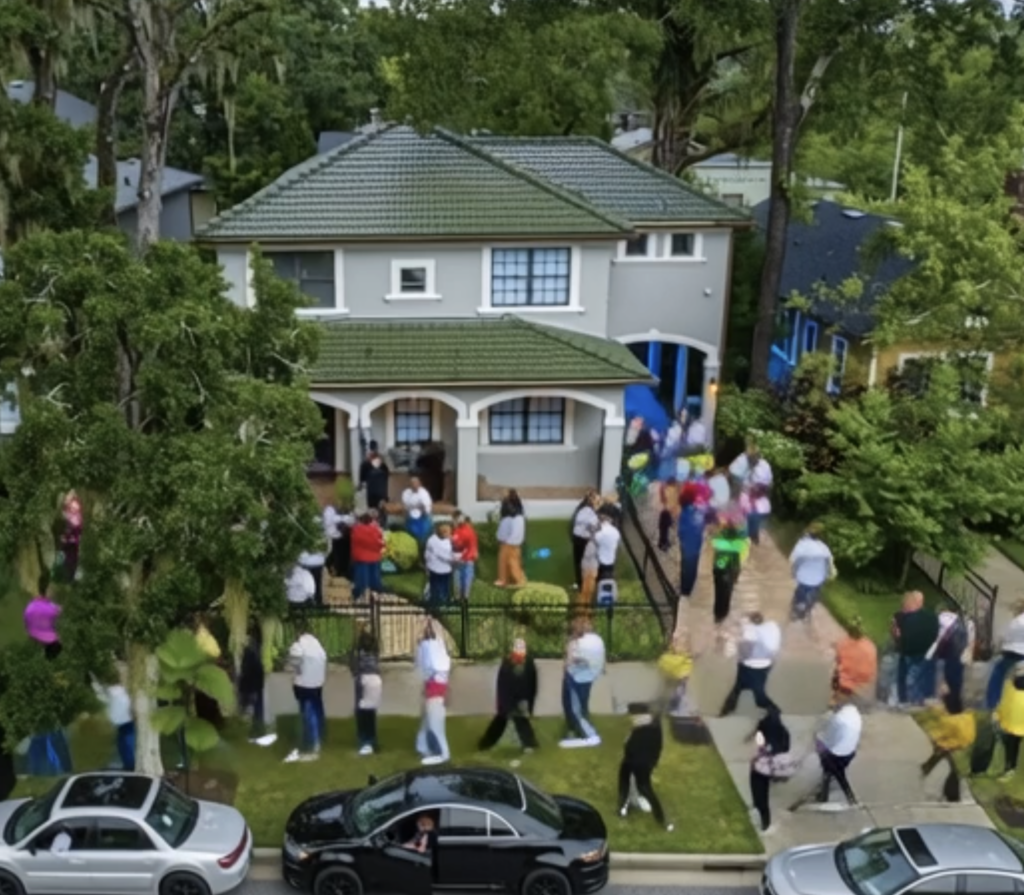
There’s a whole art to doing short‑term rentals right — and we learned the hard way that ignoring local rules and community standards can quickly become a real headache.
We even tried having someone stay onsite as a caretaker — it helped a bit — but ultimately we sold the property.
Lesson: Do your research. Know local rules. Don’t rely on “loopholes” without understanding the risks. I knew exactly what we were doing and I accepted those risk. Objectively in the long run, we still did well.
3) The Burst Water Heater Disaster
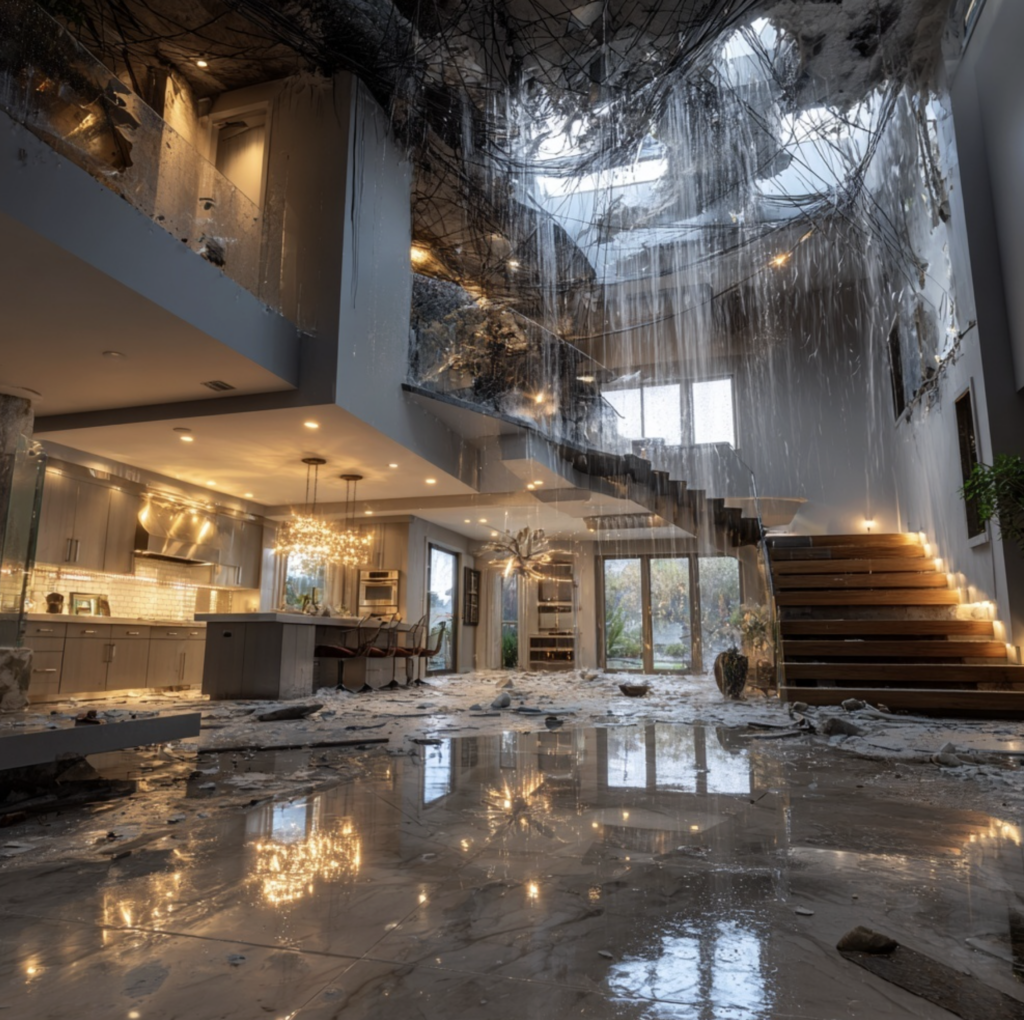
At that same property, we decided to sell the following year, post-COVID. One fateful day, our real estate agent opened the front door — and was greeted by a waterfall. The upstairs water heater had burst, flooding the entire house. Who puts a water heater on the second floor? That said, the staircase did look strangely beautiful as a cascading waterfall.
My wife called me — I was in the middle of clinic — and there was nothing I could do until evening. By the time we got there:
- The kitchen roof had caved in
- The staircase was a waterfall
- Wooden floors were warped
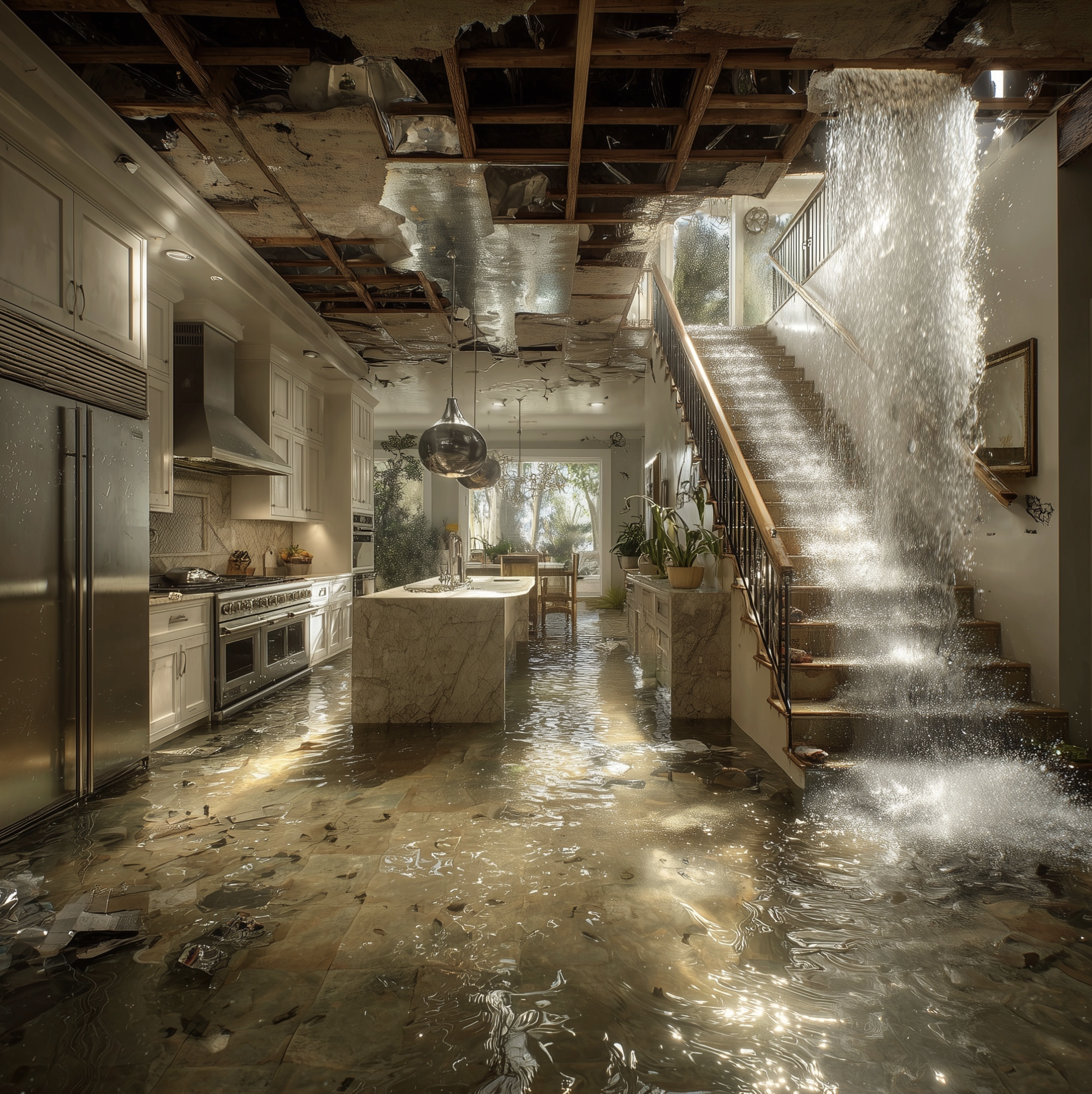
I’ll admit — it was an impressive kind of chaos. Think tropical rainforest meets demolition zone. The image for this post is 100% on point with what I saw that day.
We filed the insurance claim, brought in remediation specialists, and restored the home like nothing ever happened. When we sold it, we made a profit that more than covered the damage.
Lesson: Stuff happens — but insurance, preparation, and calm problem‑solving turn disasters into recoverable events.
So Why Do I Still Do Real Estate?
Despite the horror stories — and sometimes because of them — real estate became a powerful multiplier for our family:
- We paid off all consumer debt
- We diversified income
- We built financial resilience
- We gained freedom — not dependency
- We turned stress into stability
- We secured our option to retire anytime
- We built a legacy for our kids.. think rich dad, poor dad. Please read the book if you don’t know what I meant there.
And it doesn’t mean I care any less about patients.
I love oncology. I love helping people. I love learning. But medicine alone taught me one truth:
Trading only my time for income — without other avenues — increases risk and burnout.
Real estate gave options. It gave us security. It gave us choice.
And for that, I’m deeply grateful.
“At the end of the day, this second shift is about more than just work—it’s about building a life with purpose. I believe in the power of showing up fully across every spoke of life—career, family, health, finances, intellect, spirituality, and joy. This space is where I reflect, recalibrate, and keep striving for that delicate, worthwhile balance. I write not just to document the journey, but to remind myself—and maybe you too—that it’s okay to want more, to give more, and to grow through every season.” — st
Comments
2 responses to “Why I Got Into Real Estate (Even as a Devoted Oncologist)”
Love it my bother!
Sir.. thank you! Love you to interview you for a guest post on your real estate endeavors! I think you can be inspiration to all the young guys coming out.. wouldn’t it been nice if we had that too!